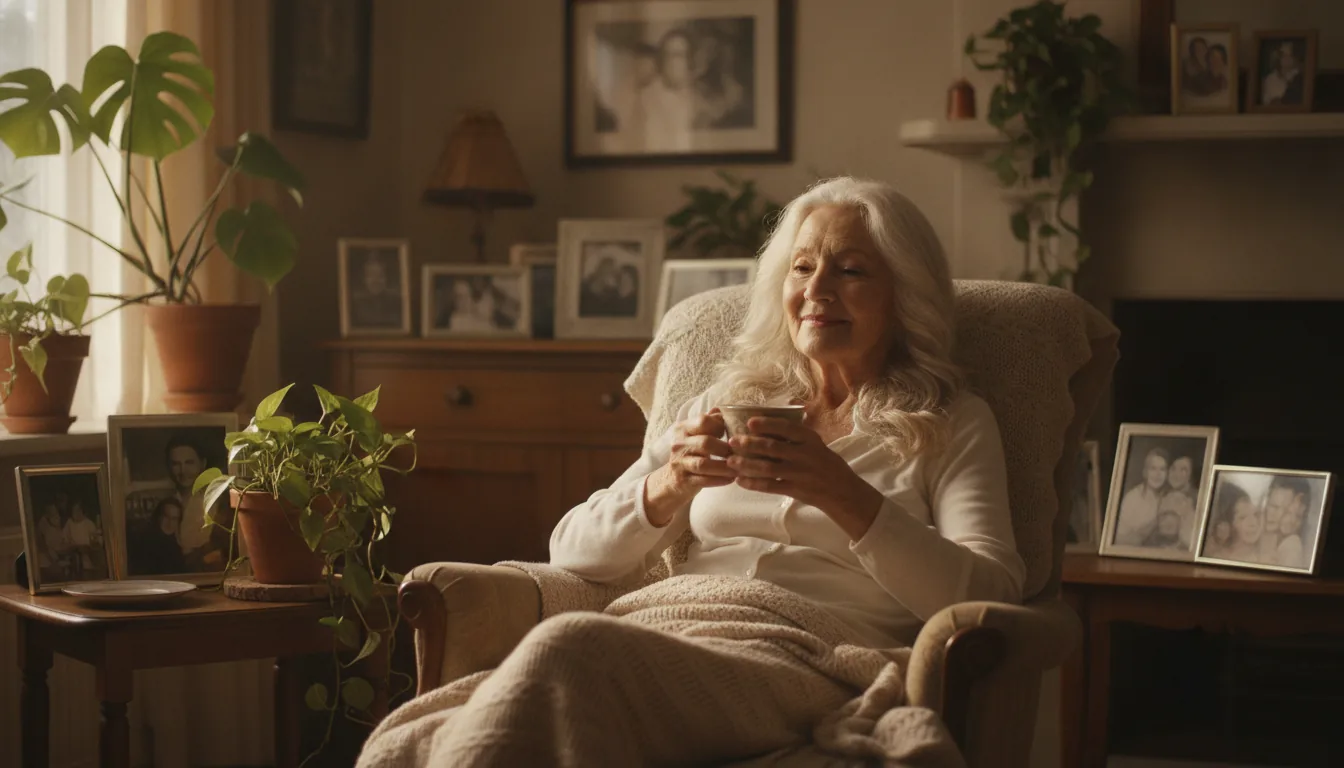
A steady routine
Wake, meals, a walk, quiet time, bed, at the same times each day. The care plan is written around your parent's existing rhythms, not the other way around.

Memory care at home leans on routine: the same faces, the same shape to the day, familiar surroundings. Golden Hour matches caregivers with temperament in mind and keeps them consistent wherever possible. Care can start with a few hours and grow as needs change.
“They’ve been an absolute blessing helping my father who has dementia. From day one, their team showed genuine care, patience, and professionalism. The caregivers treat him with so much kindness and respect, it truly feels like family.”
“Amazing service and great staff!”
“A trusted home care partner for our patients. I often refer families to Golden Hour Home Care, and the feedback has been nothing but positive.”
“I love their professionalism”
“Absolutely amazing! The consultation was great and informative.”
“Professional organization”
In-home dementia care is non-medical help that keeps the day safe and predictable for a person with Alzheimer's or another dementia: supervision, companionship, meals, personal care and a calm presence, while your parent's doctor handles the medical side.
It works best when the routine stays the same and the caregiver stays the same wherever possible, which is how Golden Hour plans it.

Every plan starts with a free in-home consultation, at home, where the routine lives.
Wake, meals, a walk, quiet time, bed, at the same times each day. The care plan is written around your parent's existing rhythms, not the other way around.
When your dad insists he has to get to work, the caregiver answers the feeling and moves to something familiar, instead of arguing the facts.
Bathing, dressing and grooming at the time of day your parent is sharpest, at their pace.
Regular meals and drinks, and prompts for medication on schedule. Reminders only, not administration.
Folding towels, sorting a coin jar, music from their younger years, the porch. Calm and useful, not new or overwhelming.
Late-afternoon restlessness is common. Many families schedule care hours for exactly that stretch, so you are not managing the hardest part of the day alone.

The care plan is written around your parent's existing rhythms, not the other way around. A typical day keeps the same shape.
Tell us what a normal day looks like and where it gets hard.
At home, where the routine lives. The care plan is written around it.
Chosen for temperament and kept consistent wherever possible. Hours start small and grow as needs change, and the plan changes with them.
Golden Hour provides non-medical care. A sudden change in confusion, or agitation that becomes intense, is a medical question: call the doctor first. Caregivers watch for those changes and report them to the family.
There is no set number of hours. The free in-home consultation settles the starting schedule.
Care starts small, in the hardest part of the day, and grows as needs change.
A parent who is still mostly independent and a family that needs backup.
Available nowCare hours placed on the late afternoon and evening, when restlessness peaks.
A family managing the rest of the day themselves.
Available nowA caregiver through the night, or shifts covering every hour.
Nights that are no longer safe, or a parent who should not be alone.
Overnight now; round the clock case by caseDementia care at home is offered everywhere Golden Hour serves, the whole of each county and not only the towns named on the area pages. Caregivers live in the communities they serve.
Something else on your mind? Call (717) 219-8542, the phone is answered 24 hours a day, or see all twelve services.
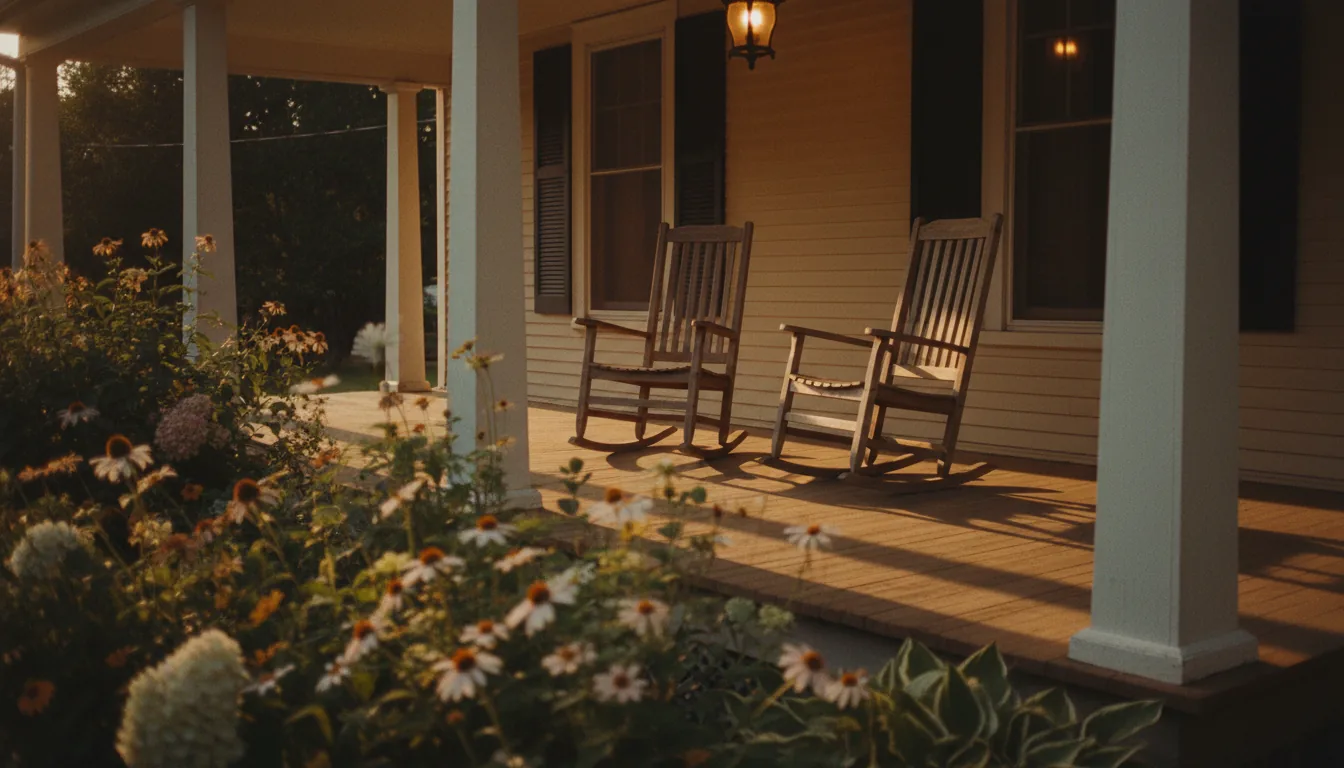
No pressure and nothing to sign. We listen, answer questions, and tell you honestly whether we are the right fit.